
The unit's condition
A running unit with reasonable hours is often the biggest single value on the trailer. A dead unit still has parts value. Hours, the last service and whether it holds temperature decide where in the range the unit lands.
Home / What is my reefer trailer worth?
Value guide
We don't post prices, because two reefers of the same year can be far apart. Here's what moves the number.
Load sheet · Free offer, no obligation

What moves the number
| Factor | Raises it | Lowers it |
|---|---|---|
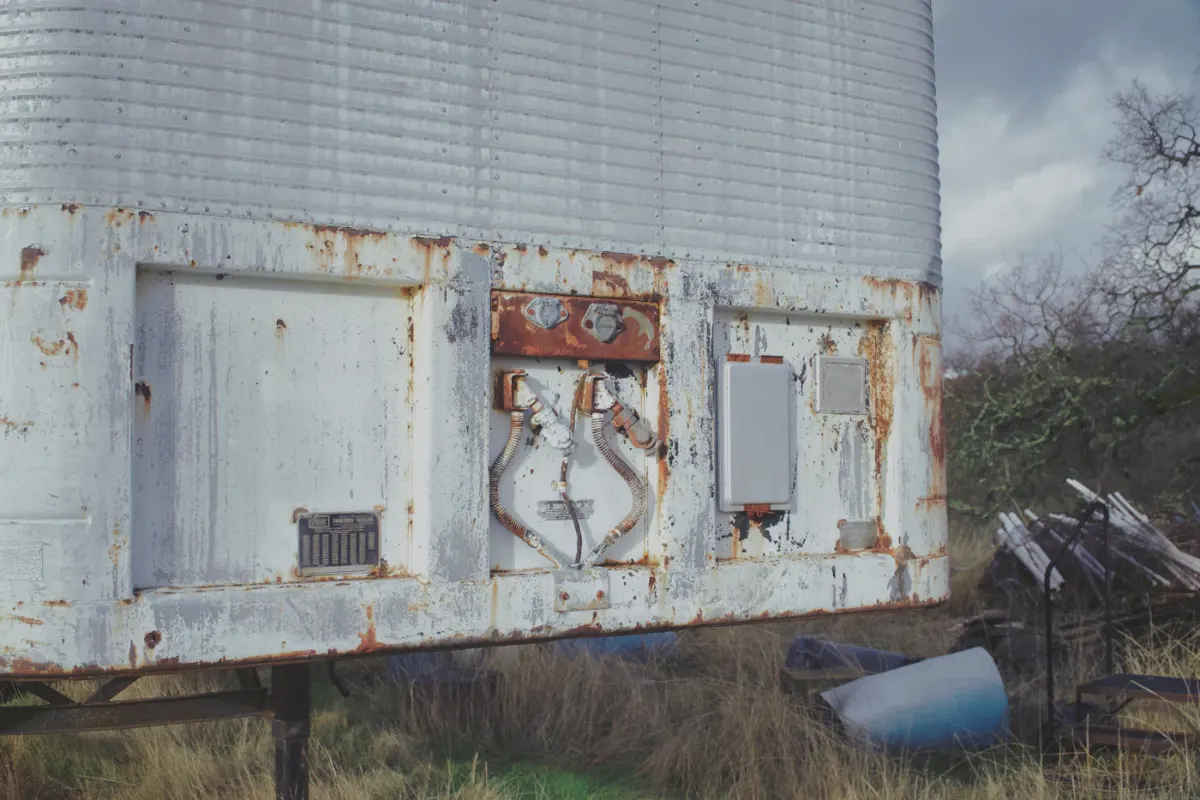
| Reefer unit | Runs, holds temp, low hours | Dead, leaking or missing |
| Box | Tight walls, sound floor | Delaminated, soft floor, roof holes |
| Running gear | Good tires, brakes release | Flats, seized brakes, bad axle |
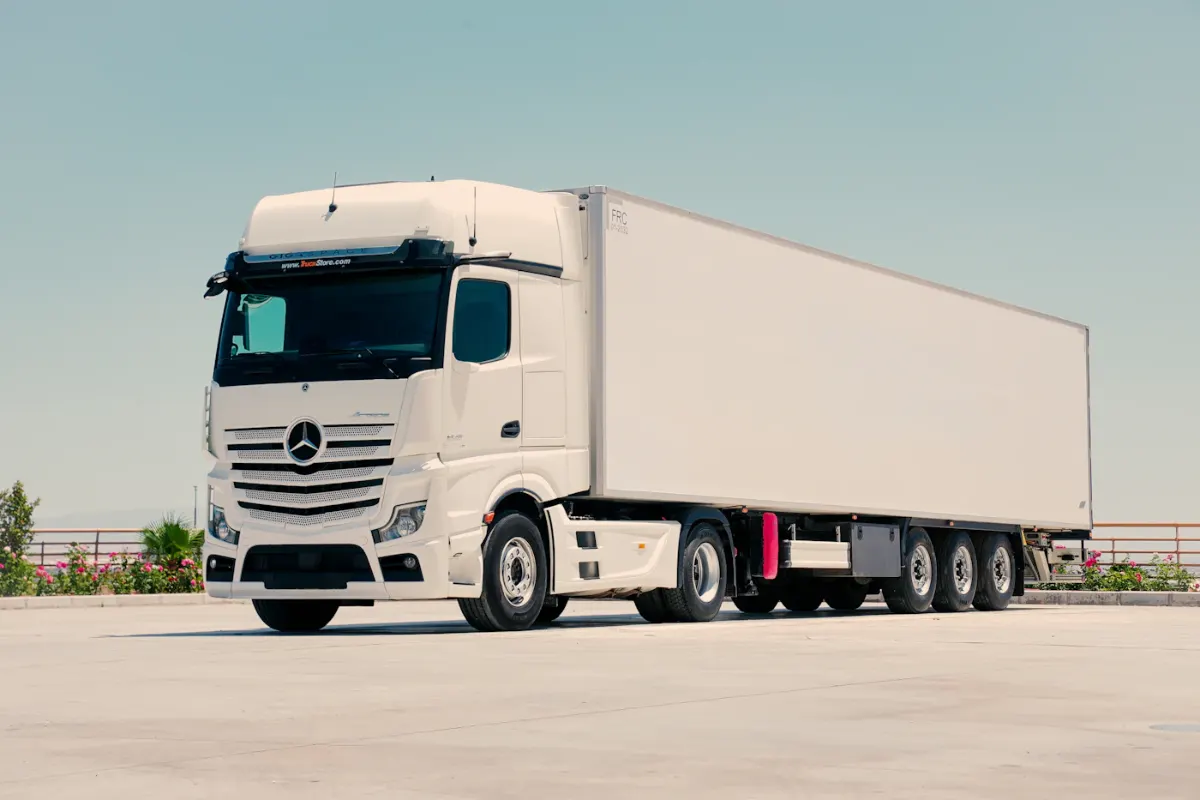
| Year and length | Newer 53 ft | Older or short |
| Pickup | Hook and go | Sunk legs, tight yard |
Speed it up
Reefer sitting idle? Get a number today.
Good to know
When we're not the best buyer
A late-model reefer with a healthy, low-hour unit can bring more through a dealer or an equipment auction. If yours is one of those, we'll tell you.
What helps
Value in depth
Two reefers from the same year can be worth very different amounts.
A running unit with reasonable hours is often the biggest single value on the trailer. A dead unit still has parts value. Hours, the last service and whether it holds temperature decide where in the range the unit lands.
Dry insulation, a sound floor and good doors keep a trailer useful. Wet foam and leaks lower its value. A trailer with wet foam is heavier and less efficient, which makes it worth less to the next owner.
Tires, brakes, suspension and lights all count. Replacing them is costly, so worn running gear lowers the figure. Worn tires and seized brakes also change how we move it, which is built into the figure.
A trailer that recently passed a commercial vehicle inspection is easier to put back to work, which helps the figure. An expired inspection doesn't stop a sale; it just means the next owner needs a new one.
For trailers bought for scrap, aluminum and steel prices set the floor, and those prices move. That's one reason we don't publish prices. A figure from us is based on the trailer and the market on the day we quote it.
A trailer at an easy-to-reach yard is quicker to move than one boxed in at a busy dock or sunk in a field. If we need to move other trailers or bring a deck, that time is built into the figure and we'll explain it.
Clear ownership makes a trailer easier to sell. A missing registration or an open lien slows things down but doesn't stop a sale. Tell us about any loan or lapsed registration when you call so nothing surprises anyone later.
A rough idea is possible over the phone. A firm figure usually needs photos of the unit, the box and the running gear. Photos of the display, the floor and the running gear usually get us to a firm number in one step.
If something important turns up on pickup day that wasn't mentioned, we explain it before anything is moved, and you can still say no. That way the figure you agreed to is the figure you're paid, unless you choose otherwise.
Questions
A rough idea, yes. A firm number needs a few photos.
Usually, if the unit works. A dead unit narrows the gap.
No. Pickup is built into the offer.
Reefers vary too much. The unit, the box, the running gear and metal prices all change the value.
No. The trailer still has value as an insulated van, and the dead unit has parts value.
Not if the trailer matches what you told us. If something important was missed, we explain before anything is moved.
Send the unit hours, data plate and a few photos. One offer, no obligation.